
As a kid, I grew up surrounded by boys. I would spend days running around the farm with my brother and boy cousins fighting with shovels, sticks and whatever else we could find. I laughed out loud to South Park and Family Guy. I played soccer, though I wasn’t very good at it. But when I was with my close girl friends I pretended to be Hannah Montana and rehearsed the dance routine to Step Up.
‘Feminism’ confused me. It scared me. Am I supposed to hate men? I love men. They’re great, they’re funny. I’ve dated them and hated them. They’re a lot of what I’ve known. But so are all of the women I’ve grown up with! They’re hilarious, imaginative, caring and wild to say the least (apologies for generalizations).
I felt as if I was tugging between two sides. Does feminism mean I only support girls? If so, count me out.
What does the media portray feminism as?
From social media, I was led to believe feminists are crazy male-hating women holding billboards complaining or telling lies for attention. Marching around the streets screaming into megaphones. Who wouldn’t find this intimidating and slightly scary?
But, those women are loud and confident. What about women who are reserved and reluctant? By default, are they not feminists because they aren’t protesting on the streets or tweeting their thoughts?
Is feminism a personality trait rather than a belief?
Why do we choose ‘silence’?
I used to be scared to identify as a ‘feminist’. Mostly because I hated labeling myself with definites, thus I wasn’t sure if I definitely qualified as one. But that changed as I began to understand the everyday significance of ‘feminism’.
When I spoke to many men about rape trials, it was popular for them to immediately assume the woman was lying without considering any of the facts first (as the most important fact was always the ruined reputation of the man rather than the word of a woman).
But what about the women who don’t speak up? The assaults everyone will never know about unless it’s whispered in a drunken conversation. The women who don’t want to be stigmatized as attention-seekers who tarnished someone’s identity. Silence shouldn’t be the popular option for women. We should feel safe to speak up rather than feel shamed. (Read ‘Asking For It’ by Louise O’Neil — a book that explores consent).
What has our recent history said about women?
Before starting University, I could sing a song about all of the wonderful Irish male writers and historical figures from the 20th century, but couldn’t tell you a bit about females. Women writers weren’t taken seriously. They were shamed and demonized for having a voice. In De Valera’s Irish constitution, women’s role in our country was simple: mothers and wives ‘within the home’.
Yet, if unmarried women fell pregnant, they were often sent to magdalene laundries, punished for pregnancy. Nowadays, it’s common for Irish teenage girls to start the contraceptive pill young so they/their families don’t have to worry about the possibility of babies (pills which change our hormonal balance, impacting everyone uniquely).
And many still want to roll their eyes at the term ‘feminism’?
I am grateful I had the privilege to learn more about gender inequality in my lectures at University. I understood why women need to scream and march to be heard. Because women in the past couldn’t. And many of us still can’t.
But, not all men are bad! And what about men who don’t have a voice?
Sure, ‘not all men’ are bad and not all women are good. Some people are just shit people.
Well done to everyone, regardless of gender, who supports equality for all – but why do we have to congratulate one another for that?
Men have also been victims of abuse. BUT men, statistically, are far more likely to carry out sexual or physical violence, thus more of a threat to everyone. Which is why women feel scared when they go for a run or when they are approached walking home alone. ‘Block, delete, move on’ listed some eye-opening statistics for me on abuse:
2 women are killed a week in England or Wales by an abusive partner.
Why can’t all genders be treated the same? What’s the big deal?
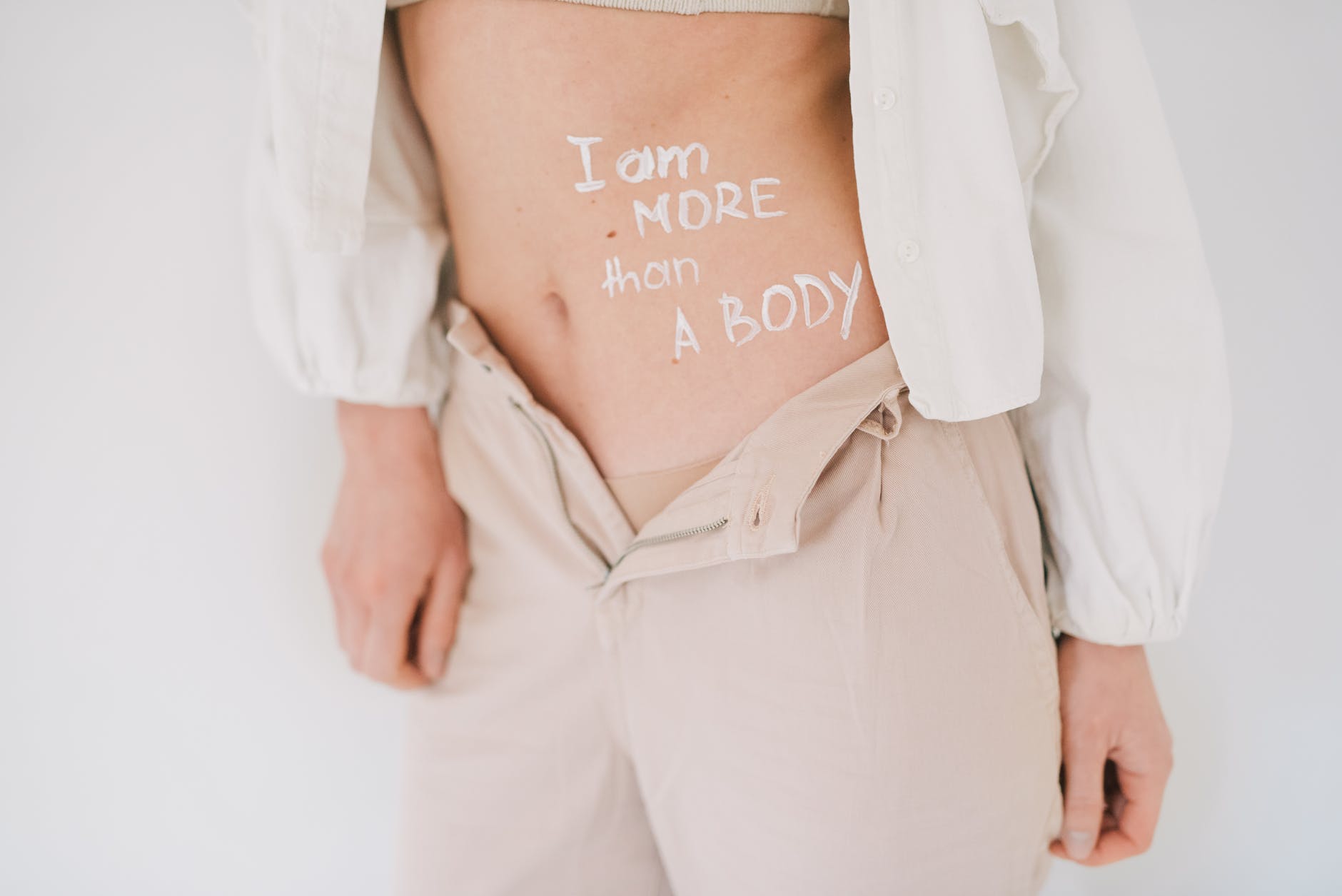
From my understanding, ‘feminism’ isn’t about every woman being better than a man; it’s about ensuring men aren’t better than women (since we have experienced oppression from patriarchal societies). And making sure a woman is viewed as more than her body – a body she should have autonomy over (not the state, not her partner, not all men- it’s her body).
Women are shunned when they don’t want to be a mother, but men are praised when they are simply involved in their kid’s life. There are presumptions and expectations rooted in our society based on our gender at birth. Let’s challenge these, rather than accept them.
How Not to Be a Boy is such a beautifully written memoir by Robert Webb (Peep Show) with a core focus on gender roles. He discusses how men are taught to be ‘lads’ who repress their feelings and hate feminism. (Everyone should read this book).
Quotes I loved from ‘How Not to Be a Boy’:
“Feminism isn’t about hating men. It’s about challenging the absurd gender distinctions that boys and girls learn from childhood and carry into their adult lives. It’s an unloved word – and we should give it another chance.
“
“Feminists are not out to get us. They’re out to get the patriarchy. They don’t hate men, they hate The Man. They’re our mates. The patriarchy was created for the convenience of men, but it comes at a heavy cost to ourselves and to everyone else.
“
Feminism doesn’t have to be a scary thing. Speaking up for yourself and your beliefs is a ‘good kind of scary’. It helps others understand or consider your views. There is a way to do this without preaching your opinions down someone’s throat.
But don’t let society ever scare you into silence.
 A Good Kind of Scary