
“Whisht!”
“But why do I have to go to mass if my mum doesn’t?” seven-year-old Saoirse whined.
“That’s the why!” was a response repeated to me more than the gospel acclamation throughout my childhood. It was as easy to comprehend as the concept of Catholicism itself. I eventually deciphered the Irish codeword to mean “Just because” which meant there was no necessary reason to go. And why would I abandon playtime to go to church if there was no valid reason to?
If I was given an honest understandable explanation, I like to think that my Sunday morning tantrums would have been easier to control. Maybe if Dad sat me down and said: “Look, I can’t promise you that we’re 100% eating the body of christ or that listening to this priest will get you into heaven because I don’t have all the answers, but going to mass is a tradition I grew up with and it’s important to your grandparents we go, so grab your coat.”
In reality, I was a dramatic child who probably would have replied: “Well if it’s not definitely getting me into heaven then I’m definitely staying here with my dolls. Enjoy, losers.”

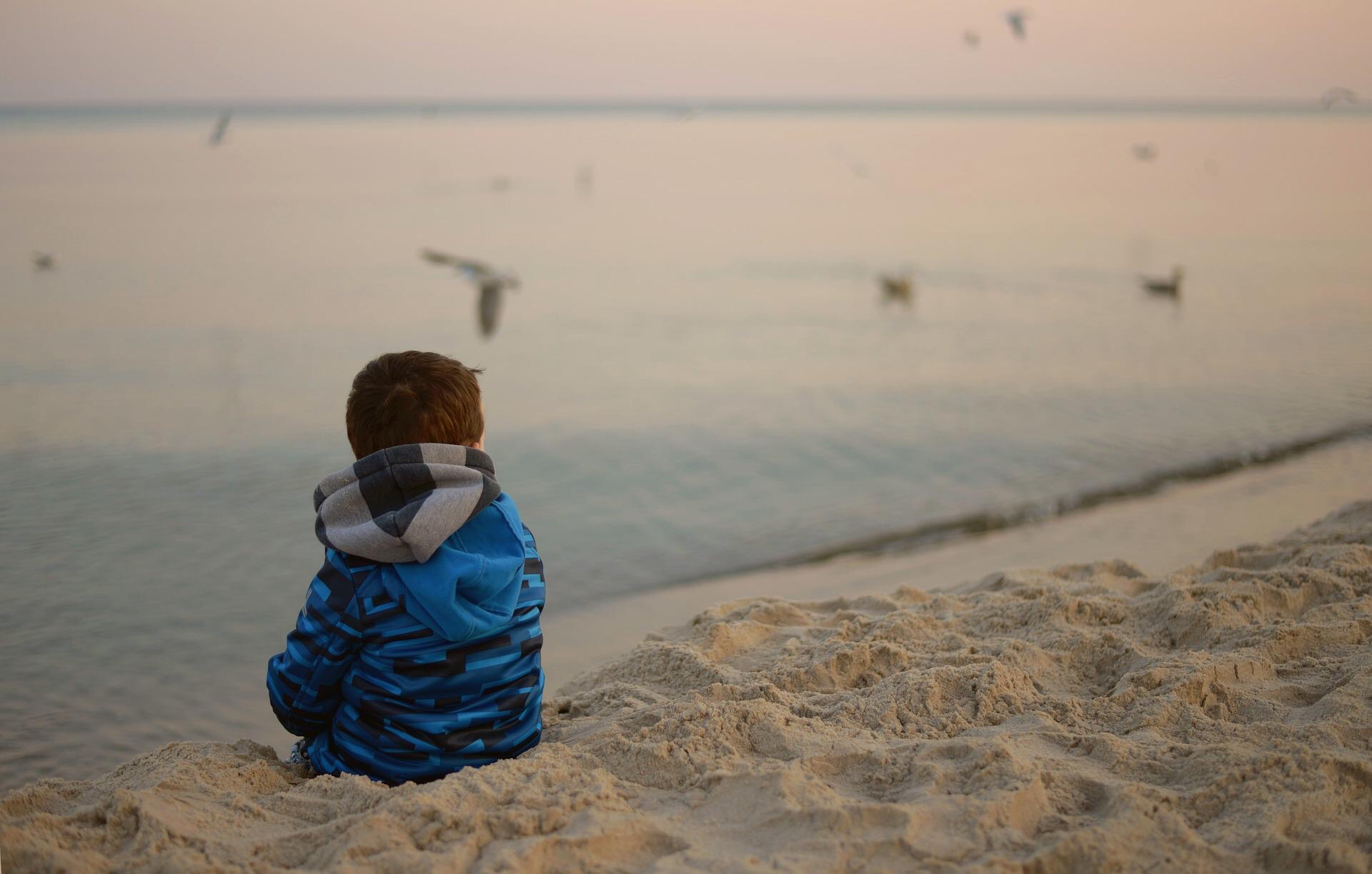
Kids are unpredicatable and challenging. But that’s also what makes them weird and wonderful. They are often silenced when they ask questions that are too difficult for adults to answer. This can crumble their confidence, leaving children more confused on whether the problem is something that they said.
There’s a real beauty in a kid’s genuine nature and mindful presence which we could all learn from. Once we enter our teens and are pumped with hormones & screens, we can catastophize simple everyday scenarios as we are more conscious of how others perceive us. A kid will struggle to understand why we are so stressed about uncontrollable factors in life. We can mistake their genuine curiosity as blunt ignorance. Or we can choose to listen to this voice of innocence and remember some little problems don’t have to be as stressful as we make them unless we are in immediate danger.
Kids often beat themselves up as a result of their parents’ stress (since they can’t think beyond their bubble). I am not a parent so I can’t fully empathise with how exhausting kids can be, but I know they are egocentric and ridiculously impatient at times. Why? Because they want to anger us? No, it’s because they are still learning that the world doesn’t revolve around them. Imagine the confusion of a little baby when their caregiver leaves the room, not knowing if they will ever return. Babies generally can’t comprehend object permanance until after 8 months. They have to learn through trial, error, and trust, which can impact our attachment style in future relationships.
Kids haven’t acquired the proper social etiquitte yet. But that’s partly what I love about kids. Their behaviors and views aren’t a facade to please others. Rather, they are focused on expressing themselves carelessly and creatively. Though teaching would often test my patience when it felt nobody was listening to me, I learned to love the refreshing innocence of young learners; looking with wide eyes, still experiencing many things for the first time. Here are some brilliantly simple yet memorable questions from students, which took me a couple of seconds to answer:
- Teacher, you live on your own! That must be sad and lonely. Who brings you food when you are sick?
- Teacher, why do people say pink is a “girl’s color”? Pink is my favorite color but I’m not a girl.
- Teacher, can I tell you something? My dog turned 17 years old today.
- Teacher, why do we have to do homework if we can do the work in school?
If my parents asked questions like this when they were at school, they would likely be ‘given the wooden stick’ and told to quit ‘giving cheek’ to the teacher. Instead of hearing kindness, curiosity and excitement, the teacher would see a distracted student up to no good.
I don’t think kids should have every single comment validated with love and affection as if they are special gods (something which is happening nowadays — we’ve gone from one extreme to the other). It’s crucial for kids to learn how to be socially aware, respecting those around them inside and outside a classroom. But we need to intently listen to children’s questions and challenge what they’re saying instead of handing them a lolipop or treating their views as inferior to someone twice their height.
It’s so easy to ignore voices when we can’t hear them clearly, when people are speaking in another language, or when we are disinterested in what they have to say. But every time we do this, we are choosing ignorance for convenience instead of patience for clear communication and understanding. Regardless of age, gender, nationality or abilities, it’s important to give people a chance to express themselves. Otherwise, you are only tolerating what you want to hear and you could be influencing their view of the world negatively. Kids are like sponges searching for role models to imitate:
monkey see, monkey do.
Speaking up, asking questions and listening to others should be a good kind of scary.
“If they can’t understand you, then they’re not listening and that’s their problem.” – Quote from Belfast.
In a car journey last week, my younger cousins pointed out the window excitedly: “Saoirse, look at that tree. It looks like a cat, doesn’t it?”
‘Yes, it does,” I confirmed, smiling at how attentive they were to their outer surroundings while I was caught up in my thoughts.
.
.
.
.
Reference:
Complete this short attachment style quiz by inspirational speaker Gabby Bernstein if you are curious about your learnt relationship patterns:
 A Good Kind of Scary